Smart home integration: how Samsung and LG are driving personalised solutions in the domestic AI ecosystem
The merger aims to create an AI home solution that better meets customers’ needs. According to LG, generative AI will be used to manage appliances and Internet of Things devices, crafting personalised environments suited to user preferences.
LG hopes to lead in AI-driven home innovations by integrating Athom’s capabilities with its interpretation of AI as “Affectionate Intelligence”.

The AI-powered ThinQ platform, already packed with features such as Out of Home Control, Smart Notice, Smart Diagnosis and Smart Routines, will gain more connectivity and greater intelligence.
“The acquisition of Athom is a cornerstone of our AI home business,” said Jung Ki-hyun, LG Electronics executive vice-president and head of the brand’s Platform Business Centre.
“By leveraging the synergy between the two companies, we will expand our open ecosystem and external integration services, aiming to provide customers with more diverse and multidimensional experiences,” Jung said.
LG’s latest move to integrate Athom’s smart home platform with its AI technology further advances the company’s transition from a hardware maker to a software-based solutions provider.
Wireless capabilities have become an indispensable feature of many smart home appliances, and are crucial to using the AI capacities that LG has acquired. From vacuum cleaners to hi-fi systems, wireless technology allows seamless integration and control through smart home platforms and mobile apps.
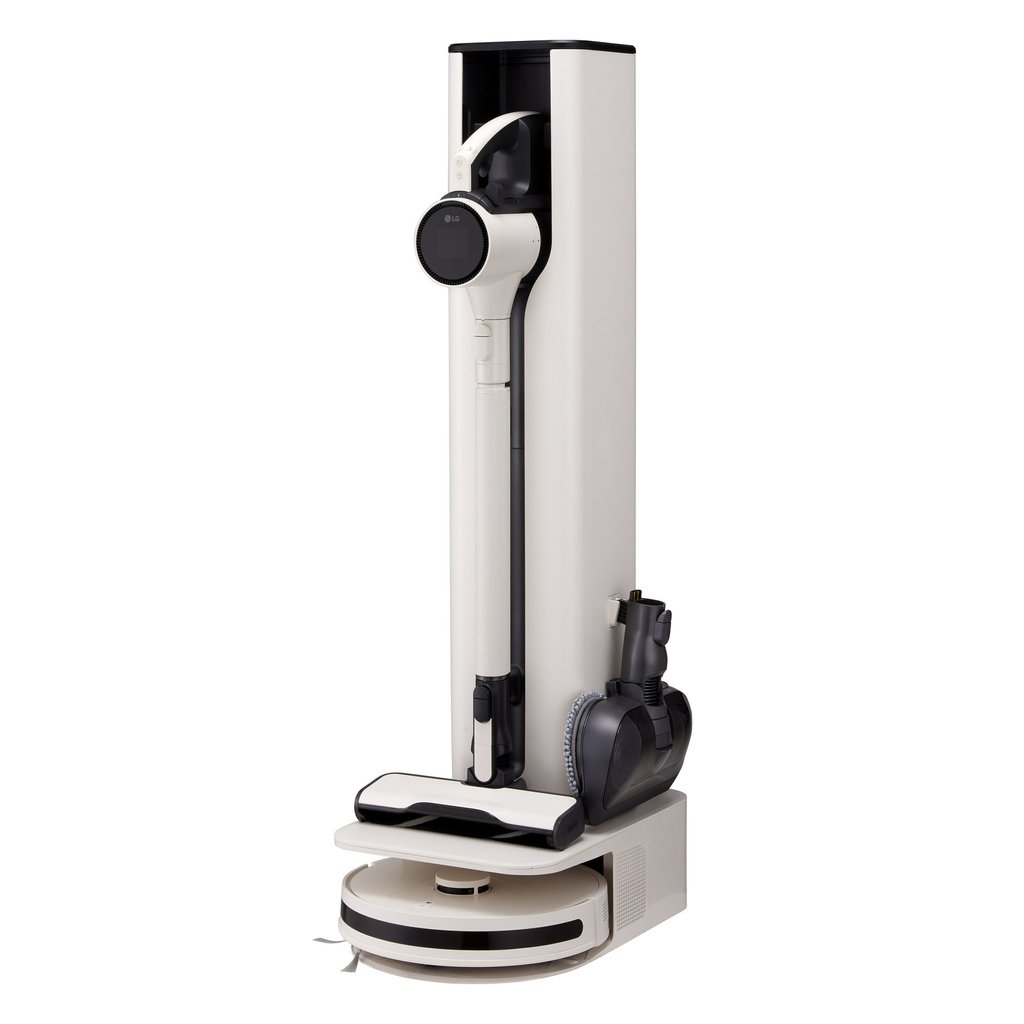
For instance, LG’s new CordZero all-in-one tower vacuum cleaner features an automated dust removal system and hands-free docking. The accompanying roaming mop uses a 360-degree lidar sensor to map the home and ensure thorough cleaning. Both the vacuum and the mop are LG ThinQ enabled – cleaning modes are controlled via Wi-fi and a phone app, putting smart living and home hygiene at your fingertips.
Smart home integration
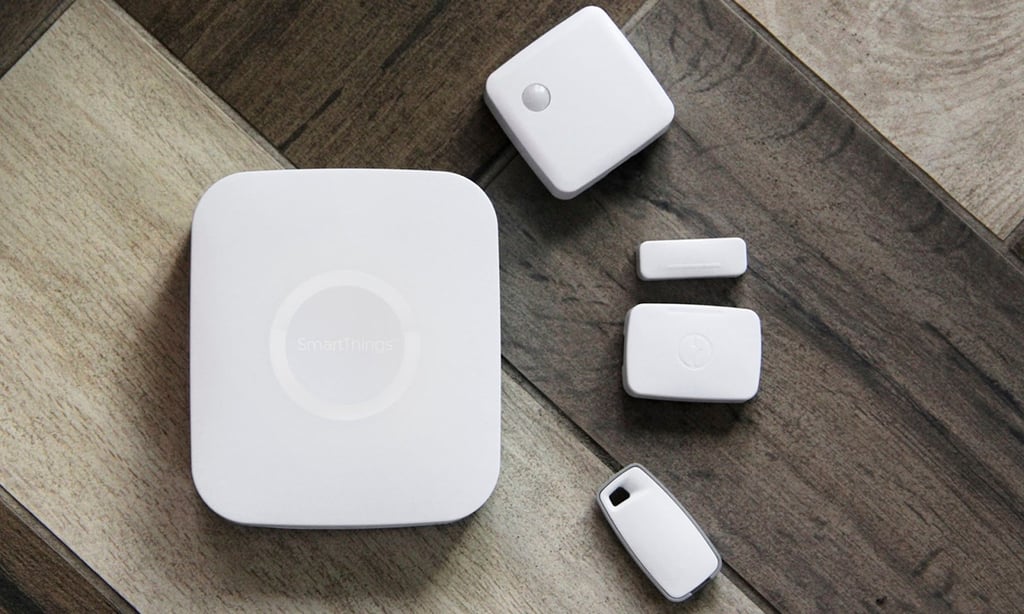
South Korean tech giant Samsung Electronics is expanding its own smart home control app. The SmartThings app uses Wi-fi to connect devices built on the Matter protocol, regardless of brand. You can use it to monitor security, adjust lighting, manage energy consumption with smart plugs, optimise laundry cycles with washers and dryers, and more.
Like LG’s moves to integrate AI into its ThinQ app, two of the recent features on the Samsung app – an AI Energy Mode and the 3D Map View – are poised to supercharge AI capabilities in the home.
The former streamlines home management by converting real floor plans into virtual images within the SmartThings app. The new 3D Map View leverages Spatial AI and lidar sensors in the devices to accurately map and visualise a home’s layout. Similar technologies underpin LG’s CordZero.
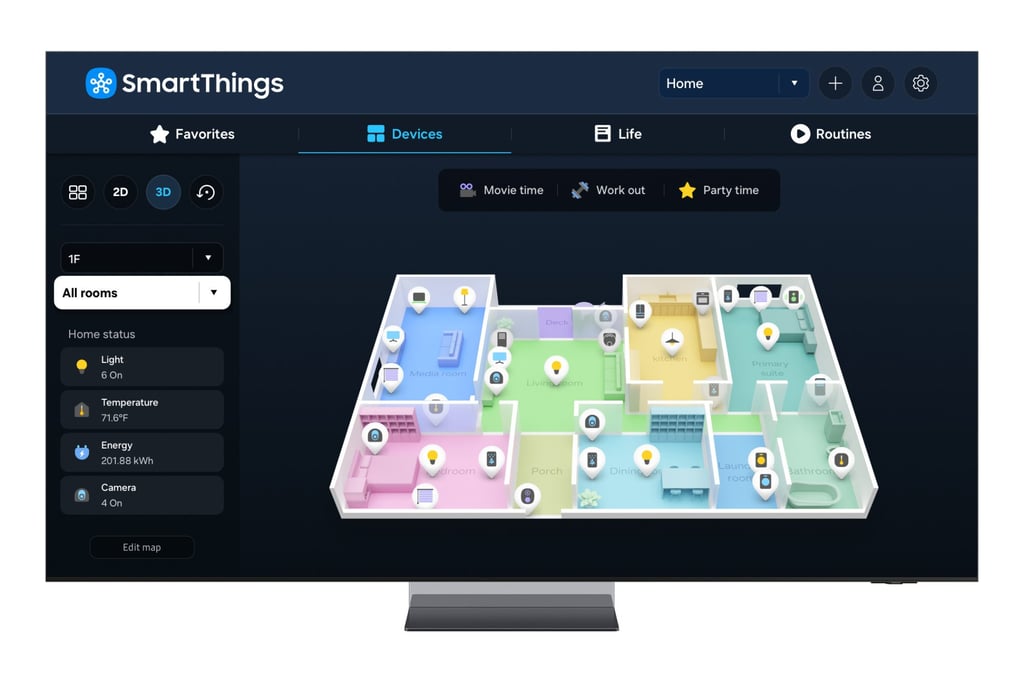
AI Energy Mode tracks power consumption patterns for all the appliances connected to the app, such as washers, driers, air purifiers, air conditioners, kitchen appliances and more. This can help reduce energy use by up to 7 per cent based on targets set for, say, what you are willing to spend on your electricity bill.
Such energy-saving features are increasingly valued by consumers. One area crucial to making savings is in cooling the home. Here, the use of simple ceiling fans can efficiently complement your air conditioning to reduce overall energy use.
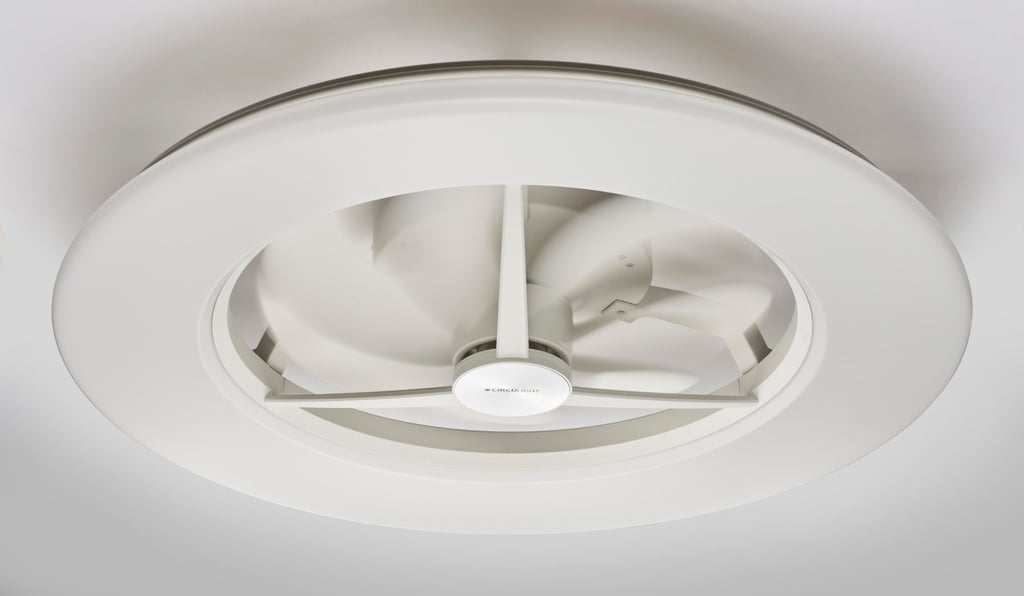
A typical high-efficiency central air-conditioning system uses about 3,500 watts, while a ceiling fan uses a mere 50 watts, cooling the room by pushing down cool air to leave the hot air circulating up near the ceiling.
Modern fans come in various styles and sizes, some even with built-in lighting. Elar Group in Hong Kong offers a range of designer ceiling fans, while Doshisha’s new Circulight model enhances lighting and airflow with selectable light temperatures from 3,000K to 6,500K. The fan, with a 40 per cent performance boost, is recommended by the Agency for Natural Resources and Energy of Japan, according to the company.
Wireless speakers
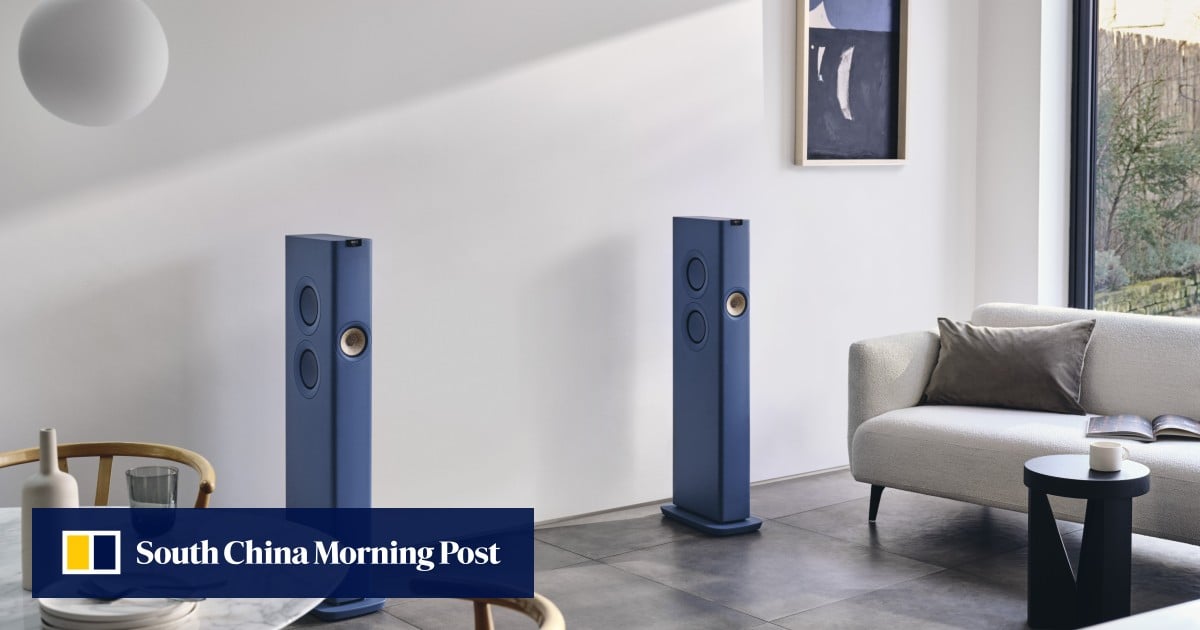
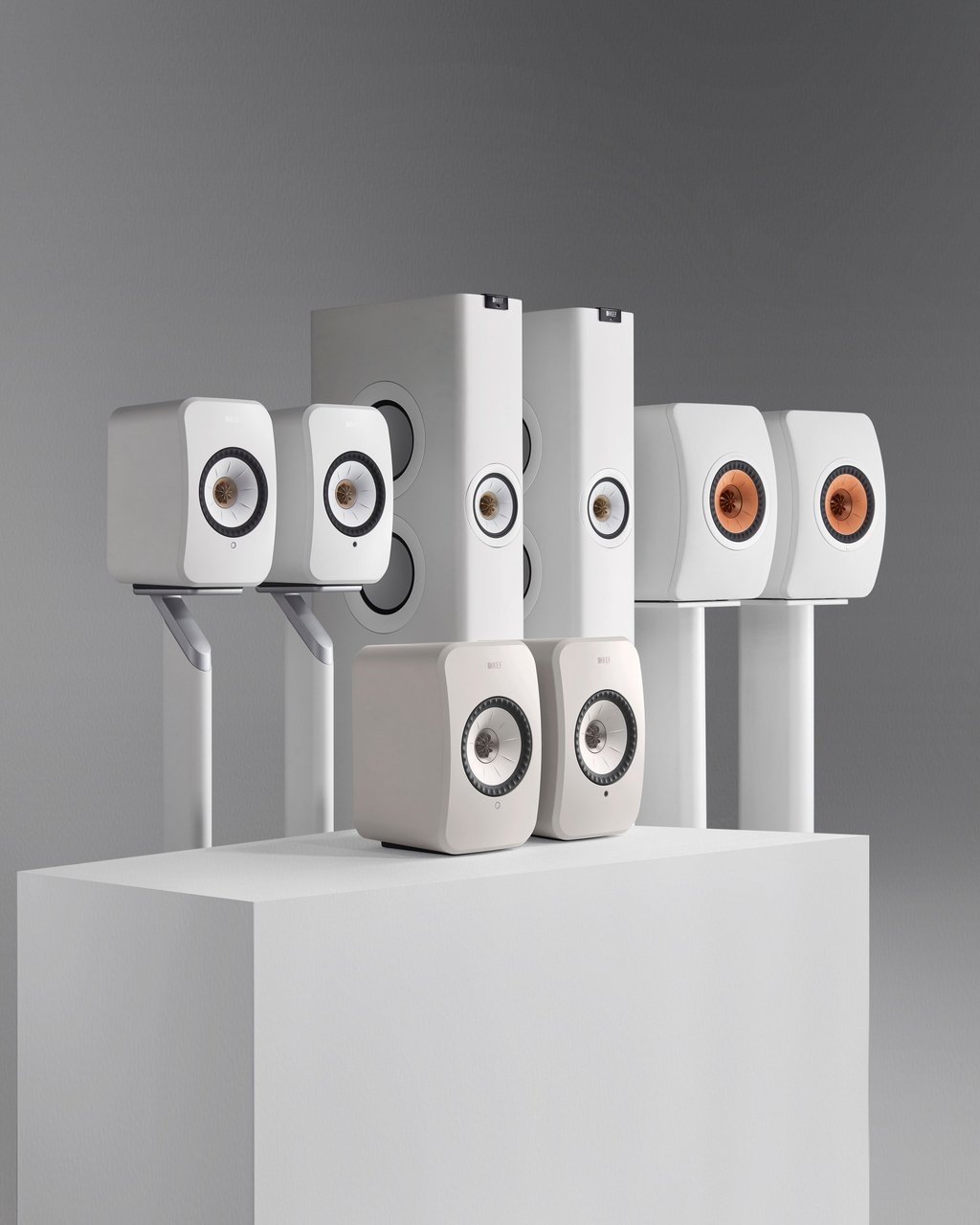
AI and smart home solutions can be used to entertain as well. Kef’s LS Wireless collection of cutting-edge speakers promise a high-fidelity audio experience anywhere or everywhere in the home. They are naturally underpinned by wireless technology, and also by the in-house Music Integrity Engine, which uses algorithms to ensure that digital signals are reproduced uniformly across all your connected Kef devices.
These connectivity solutions go hand in hand with Kef’s Single Apparent Source wireless system.
In traditional multi-room audio systems, where different types of speakers are playing simultaneously, frequencies can clash and cause an over-saturated and uncomfortable listening experience. Kef’s LS Wireless devices use Single Apparent Source technology so they can no longer interfere with each other when playing back audio, creating a cohesive listening experience throughout your home.
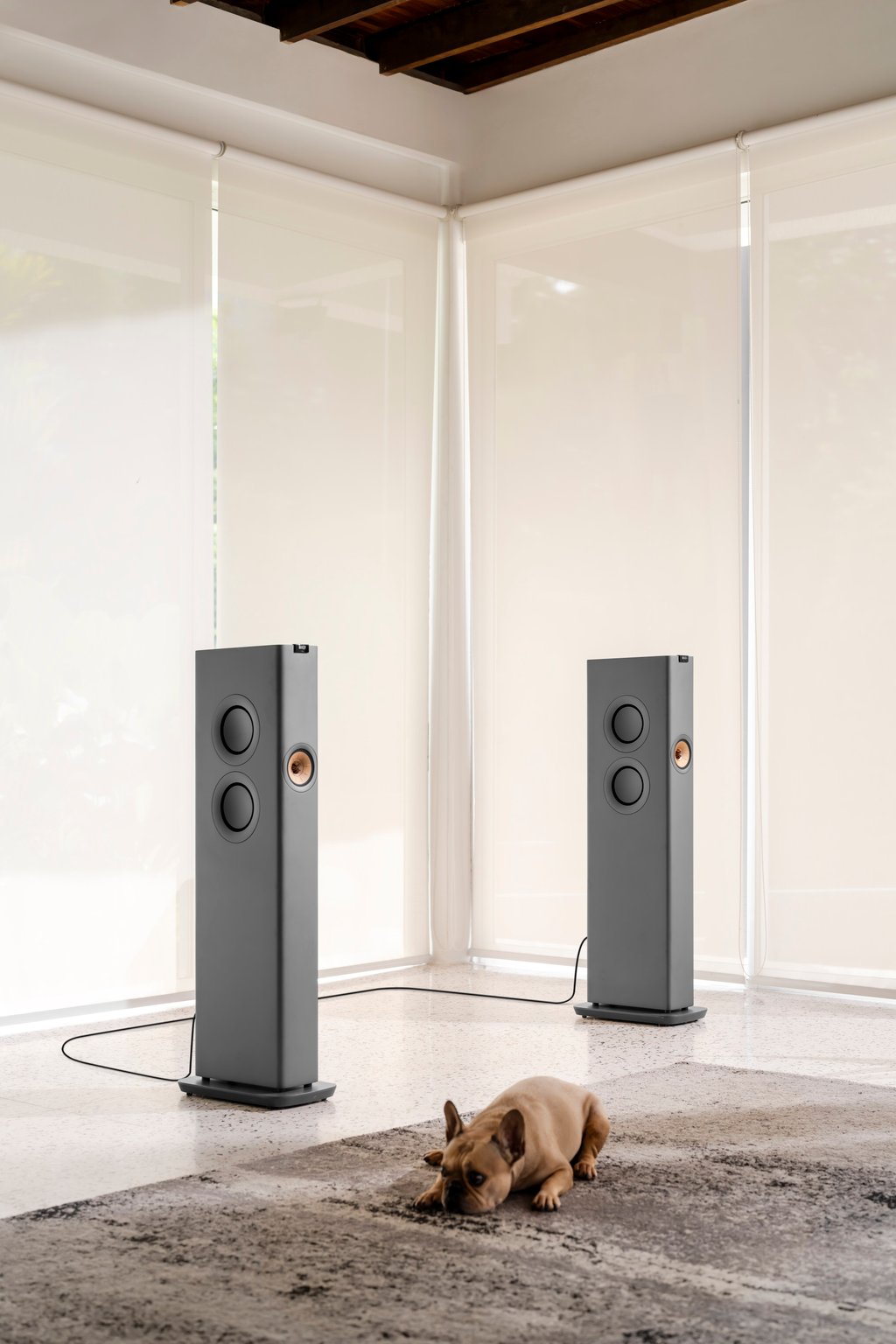
The LS Wireless collection includes four models: LS50 II, LS60, LSX II and LSX II LT, all designed to be easy to use with plug-and-play capabilities and wireless streaming.
While the LS60 Wireless requires floor placement, the other models are compact, tucking easily into smaller spaces in your home.
link