Can Your Smart Home Betray You? Security Experts Sound the Alarm
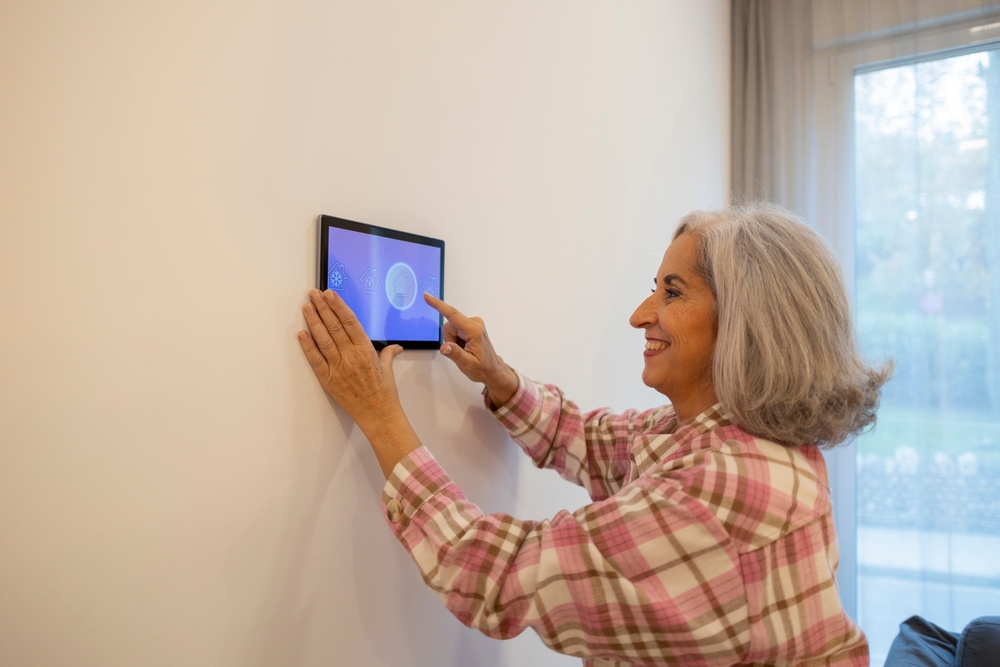
Smart home technology has transformed daily life. From voice-activated assistants to connected thermostats and security cameras, these devices promise convenience, efficiency, and peace of mind. For seniors, smart homes offer independence—allowing them to control lights, locks, and appliances with ease. But beneath the surface lies a growing concern: security experts warn that smart homes can betray their owners, exposing sensitive data and creating new vulnerabilities.
How Smart Homes Can Betray You
Smart devices constantly collect and transmit data, and while this information helps personalize services, it also creates serious risks for seniors. Data leaks can occur when devices share personal information with third parties without clear consent, exposing sensitive details. Many smart devices also ship with weak default passwords that hackers can easily exploit, leaving systems vulnerable. If Wi-Fi settings are not updated regularly, networks may remain unsecured, opening the door to intrusion. Even more concerning, cameras and microphones can be hijacked, turning convenience into surveillance, and when multiple devices are linked together, a single weak link can compromise the entire system.
Why Seniors Are Especially Vulnerable
Retirees often adopt smart home technology to simplify daily routines, but they may not be aware of hidden risks. Seniors who rely on devices for safety—like medical alert systems or smart locks—could face serious consequences if those systems are compromised. Fraudsters target older adults because they are perceived as less tech-savvy, making smart homes a potential gateway for scams.
The Emotional Toll of Breaches
Beyond financial loss, breaches erode trust. Seniors who discover their smart devices were hacked often feel violated in their own homes. The emotional impact of realizing that a trusted device betrayed them can lead to anxiety, isolation, and reluctance to use technology. Over time, this fear can discourage retirees from adopting new tools that might otherwise improve their quality of life. In the worst cases, breaches can create lasting feelings of vulnerability, making seniors question whether digital convenience is worth the risk.
What Security Experts Recommend
Security experts emphasize that seniors should take proactive steps to safeguard their smart homes. The first priority is to change default passwords and replace them with strong, unique combinations that are harder for hackers to guess. Enabling two-factor authentication adds another layer of protection, ensuring that even if a password is compromised, accounts remain secure. Regularly updating software, including patches and firmware, helps fix vulnerabilities that criminals often exploit. Experts also advise using secure Wi-Fi with strong encryption, limiting integrations to only essential devices, and carefully reviewing privacy settings to disable unnecessary data-sharing features. Together, these measures create a safer digital environment and mitigate the risks associated with connected technology.
Why Companies Stay Quiet
Manufacturers emphasize convenience and innovation, but they rarely highlight risks. Marketing campaigns focus on ease of use, not cybersecurity. Seniors who buy devices assume they are safe, unaware of the hidden vulnerabilities. Experts argue that companies should be more transparent; however, until regulations catch up, consumers must take protective measures.
The Bigger Picture: Smart Homes and Privacy
Smart homes don’t just control appliances—they create detailed profiles of daily life. From sleep patterns to shopping habits, devices record intimate details. Seniors who value privacy may be shocked to learn how much data is collected. Without safeguards, this information can be sold, shared, or stolen.
The Bottom Line: Convenience Comes With Caution
Smart homes can empower seniors, but they also carry risks. Security experts sound the alarm: without proper precautions, smart devices can betray the very people they’re meant to protect. Awareness, vigilance, and proactive security measures are essential to ensure that convenience doesn’t come at the cost of safety.
Do you use smart home devices? Share your experience in the comments—it could help others stay secure.
You May Also Like…

Teri Monroe started her career in communications working for local government and nonprofits. Today, she is a freelance finance and lifestyle writer and small business owner. In her spare time, she loves golfing with her husband, taking her dog Milo on long walks, and playing pickleball with friends.
Read More
-

Retirement planning often feels like a puzzle—everyone wants to make the “smart” move that keeps…
-

Let’s be frank—when most Gen Zers (born 1997-2012) hear about Social Security, they don’t exactly…
-

There’s a certain pride that comes with making bold, independent choices in your 30s. You…
-

Are you new to running a company? Do you find it difficult to use your…
-

Should you rely only on social security benefits in retirement? The answer is probably no.…
-

Dear Dave, Should I cash in my 401(k) to pay off my car? I have…
link