


As previously noted last month, deciding what to do with your money isn’t easy with the worries of the stock market, a potential recession, and no clear idea of when things might calm down. While many investors are searching high and low for “safe haven” options, one solid option is close to home. In fact, it is your home.
In addition to boosting your overall enjoyment of your home, the right improvements can be a solid strategic investment. They can boost the value and extend your home’s life as well as save you money by reducing utility bills̶̶ — and some are even tax deductible.
Value beyond aesthetics
Every year, The Journal of Light Construction publishes a “Cost Versus Value Report,” which compares the average costs of various remodeling projects to the value they add to a home at resale. In 2024, the following home improvement projects offered the highest return on investment (ROI) in New England:
PROJECT JOB | COST | RESALE | ROI
Garage Door Replacement | $4,513 | $8,751 | 193.9%
Entry Door Replacement (Steel) | $2,355 | $4,430 | 188.1%
Manufactured Stone (Veneer) | $11,287 | $17,291 | 153.2%
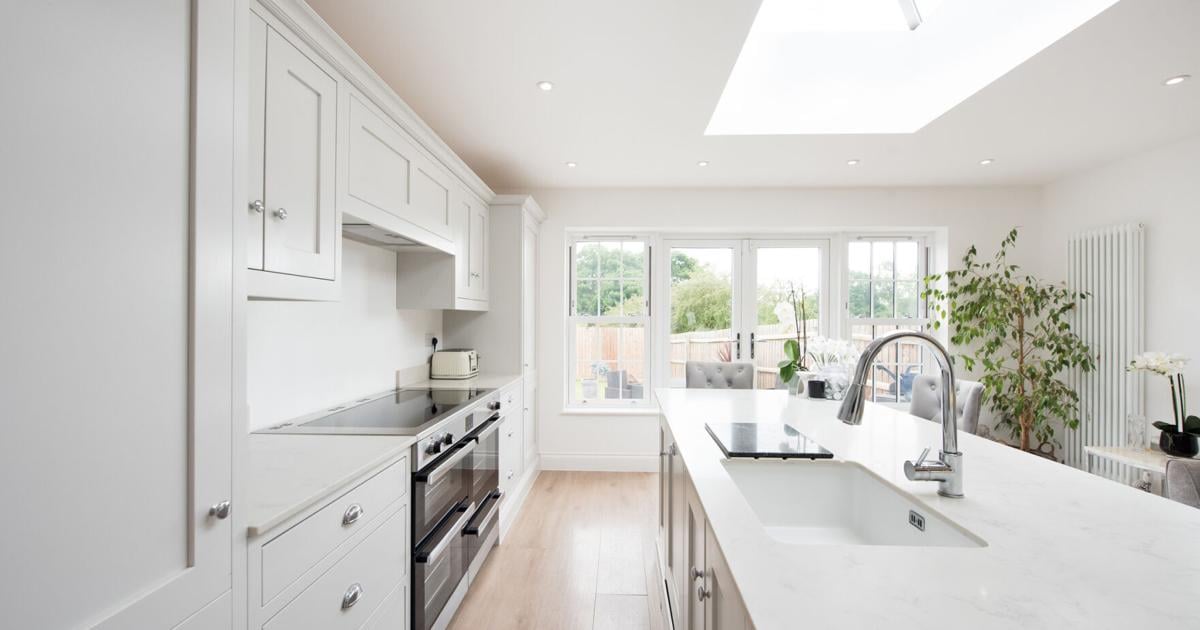
Minor Kitchen Remodel (Midrange) | $27,492 | $26,406 | 96.1%
For comparison, here’s a look at the ROI for other popular remodeling projects:
PROJECT JOB | COST | RESALE | ROI
Window Replacement (Vinyl) $21,264 | $14,270 | 67.1%
Major Kitchen Remodel (Upscale) | $158,530 | $60,176 | 38.0%
Bathroom Addition (Midrange) | $58,586 | $20,334 | 34.7%
Primary Suite Addition (Upscale) | $339,513 | $81,042 | 23.9%
While some projects don’t offer the highest ROI, they can pay off in other ways.
For example, window replacements (noted above), heat pumps, central air conditioners, and more can potentially qualify for an Energy Efficiency Home Improvement Credit from the federal government. FYI, the credit for 2025 covers 30 percent of qualifying expenses with limits for different types of improvements.
It is possible to “over-improve” your home. You should be mindful of home values in your neighborhood. You will want to keep your home value in the range of nearby homes to ensure the best ROI. However, if having a, say, sauna, is important to your quality of life and you can afford it, by all means you should do it.
But you shouldn’t bank on the ROI whenever you sell. At the end of the day, you need the features of your home to be assets, not liabilities. Even the nicest bathroom or kitchen won’t make up for a questionable roof or crumbling foundation.
Tapping into your home to improve your home
Despite the potential of 100+ percent ROI on a home improvement project, you still need to come up with the cash to fund it. As a homeowner, you may be in the fortunate position to find your project essentially “self-funded” thanks to a home equity line of credit.
Often referred to as HELOCs, a Home Equity Line of Credit lets you borrow against the equity you’ve built up in your property. Specifically, a HELOC taps into your home’s equity — the difference between the home’s market value and the outstanding balance on the mortgage; basically, the portion of your home that belongs to you outright.
Unlike a traditional loan, where a lump sum is borrowed and repaid over a fixed period, a HELOC provides you with a revolving line of credit. Because you can access funds as needed, you only pay interest on the amount used rather than a full loan amount. Plus, compared to personal loans or credit cards, HELOCs offer lower interest rates, and, when used for home improvements, any interest paid is tax-deductible.
Again, there’s no predicting what the market will do in the near future. But if you’re a homeowner looking for some assurance that you’re investing in something that will yield long-term financial benefits, a home improvement may be your best option.
link